From Ireland to Africa for CSG

So as you all know, Reptile Village is a Conservation Zoo and our goal is to raise awareness of conservation issues and charities, to teach people about reptiles and their role in the wild, and to contribute to conservation projects all over the world. The ways we contribute can vary greatly, we offer financial support where we can, we offer advice, we play an educational role, and through keeping in depth records of the animals in our zoo we can add to the growing bundles of knowledge that already exist in an effort to further understand the behavior of these species, along with lots of other ways.

From time to time, we come up with a very fun and interesting way of raising awareness and some much needed funds for some conservation charities, which brings me nicely to the point of this post. Zoo Director James and his friend Paul have decided that they are going to take their motorbikes the whole way to Africa and back, in an effort to raise funds and awareness for CSG. That’s a total of about 6300 kilometers!!!!

LOGO (2)

We have been working with CSG (Crocodile Specialist Group) for many years now and donate funds to them every year.

About CSG:

“The IUCN-SSC Crocodile Specialist Group (CSG) is a worldwide network of biologists, wildlife managers, government officials, independent researchers, non-government (NGO) representatives, farmers, traders, tanners, fashion leaders, and private companies actively involved in the conservation of the world’s 23 living species of alligators, caiman and gharials in the wild.”

(www.iucncsg.org)

This year, in an attempt to raise even more money, and most importantly to raise awareness of their hard work, James and Paul are biking from Ireland to Africa!
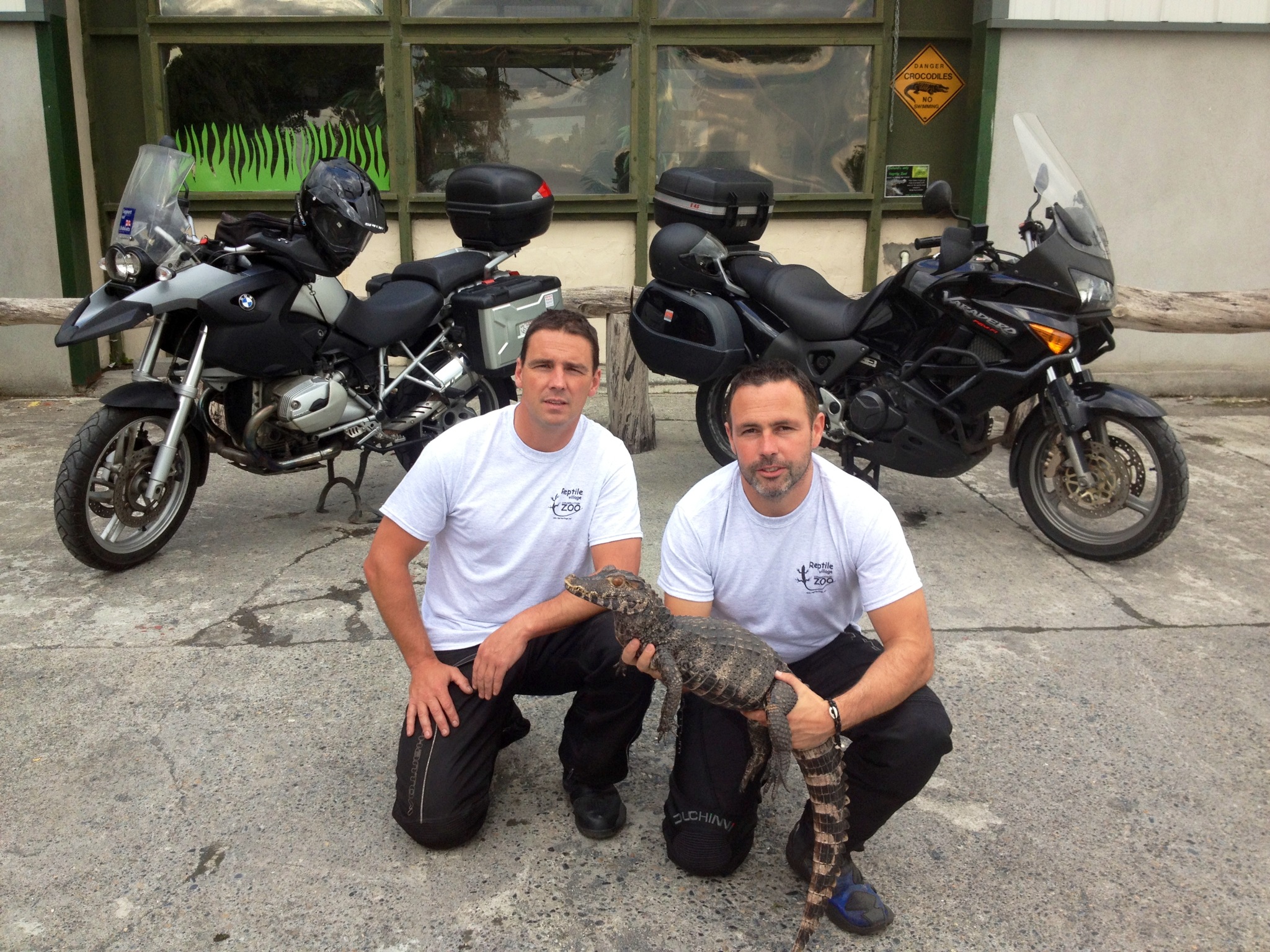
Paul, James, Bike Croc


On Saturday September 7th 2013, James and Paul will leave Kilkenny, Ireland to embark and their 6,300 km round trip to Africa on their motorbikes!

The trip will take them 3 full weeks, with approximately 89 hours of driving time!

There will be lots of photos and a full blog post about the trip once they return (and rest/recover) but until then, keep an eye on our Facebook and Twitter pages for updates.

If you would like to sponsor James and Paul, you can do so by clicking the clicking on the ‘donate now’ image below (this will take you directly to the CSG donation form).


iucncsg.org

Please note that James and Paul are paying for all costs of this trip and all sponsorship money will go directly to CSG.
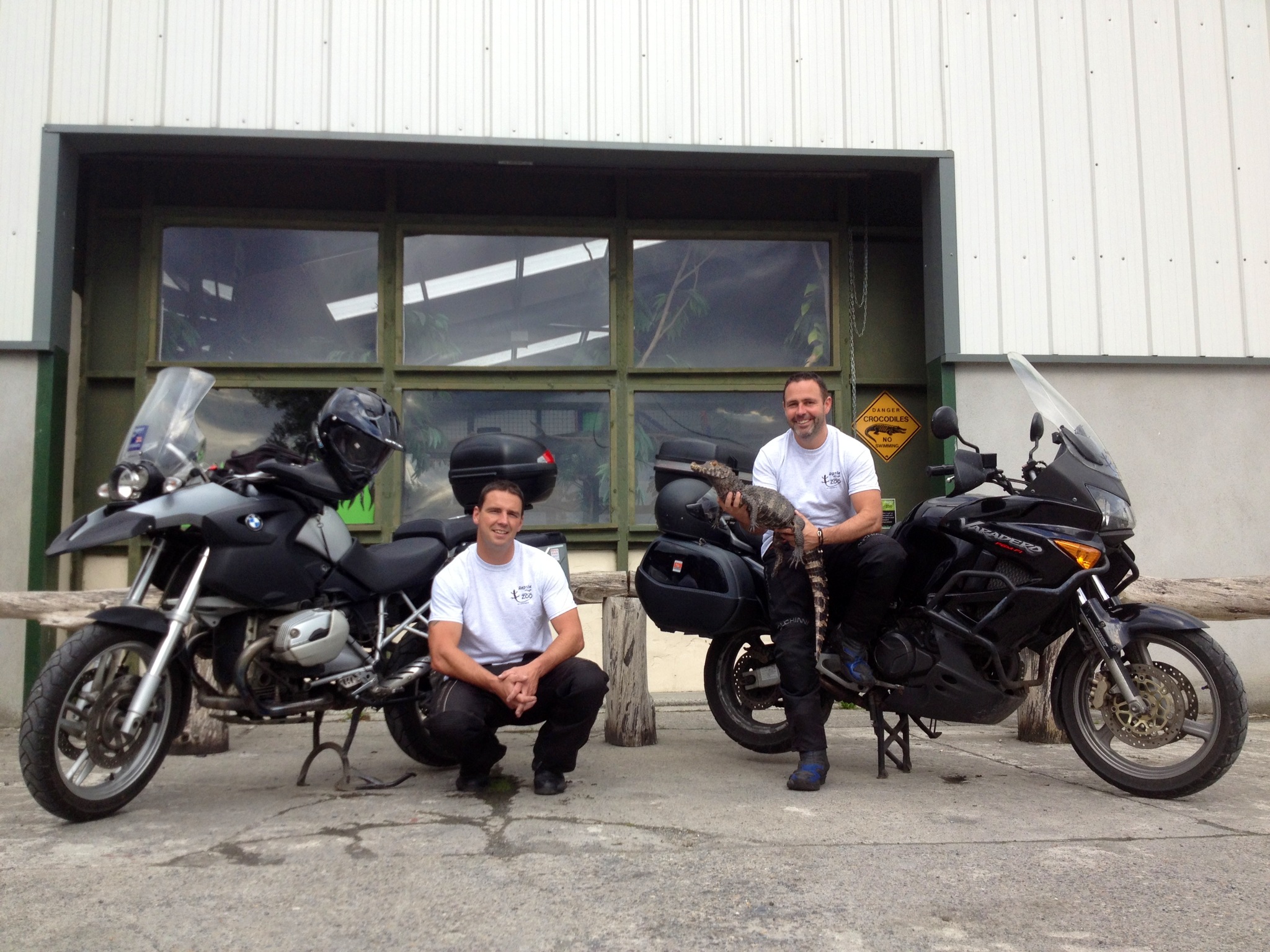
 

James, Paul, Caiman, Bikes

Project Chicchan Guatemala (part 2)

It’s been a while (as we’ve hit our peak season here!) but here’s the updates from Zoo Director James Hennessy on the rest of the Guatemala expedition!

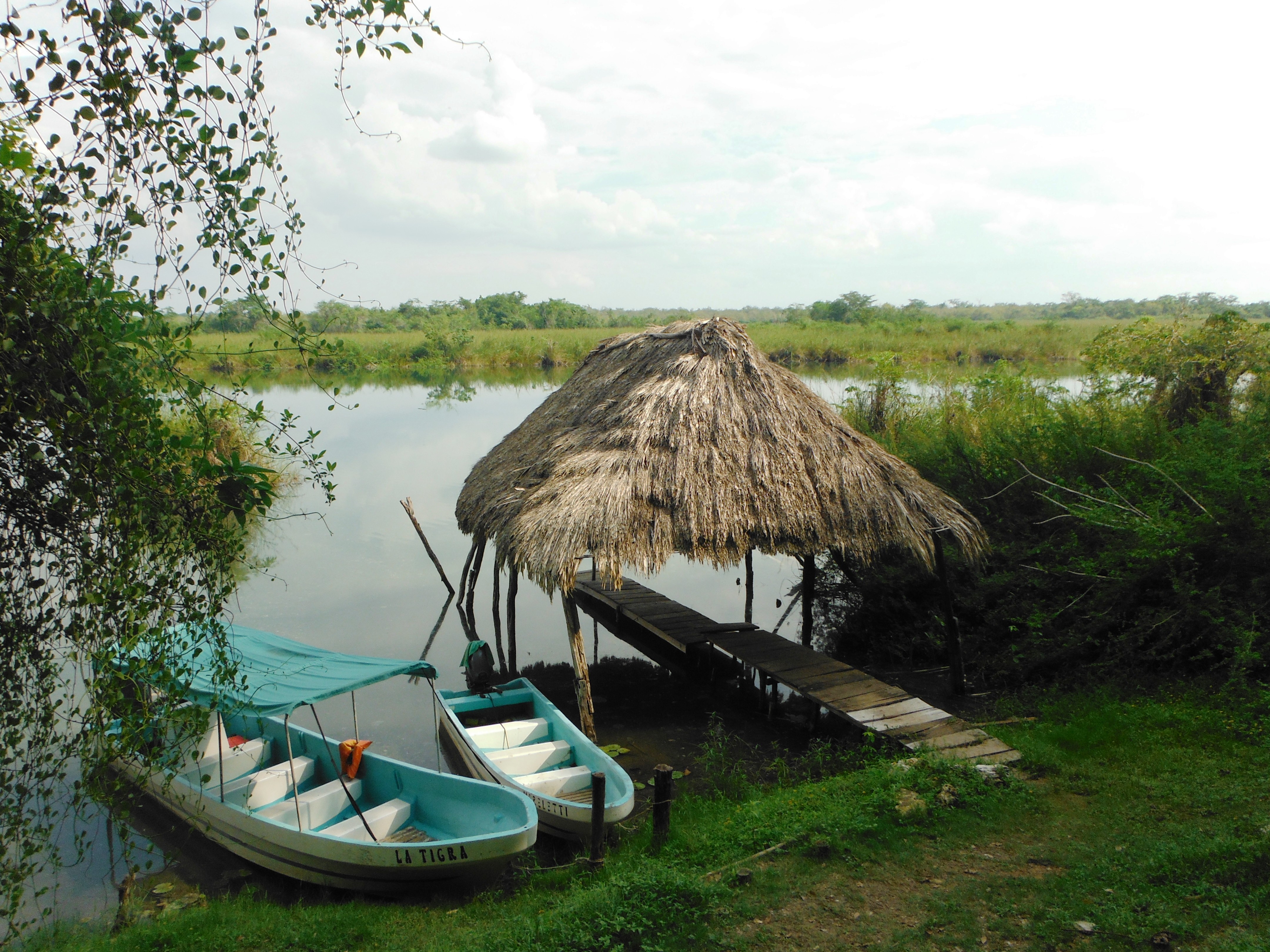
boats at dock

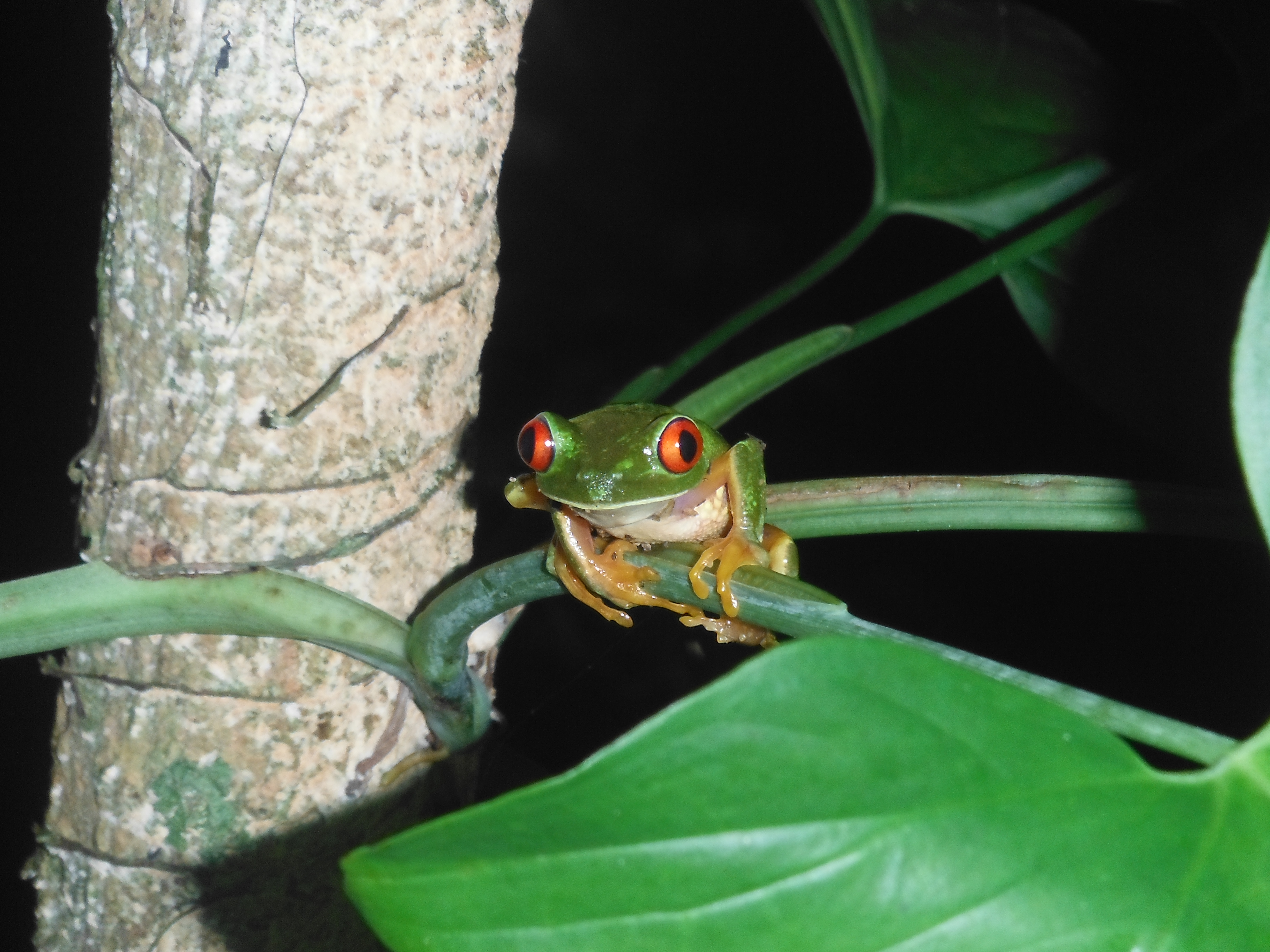
I’ve now returned from expedition and have been settling back into the hectic Summer season here in the zoo. The last week of the expedition turned out to be as fruitful as the start! The final count for the completed survey was 17 species of snake, 19 species of lizard, 14 species of amphibians, 4 species of turtle and 1 species of crocodile! Not only that, a lot of the finds are new range extensions and we even have a new species record for the country! A species of snail eating snake that hasn’t been recorded in Guatemala previously! Of all the expeditions I’ve been on, all over the world, this one has been one of the most successful as regards species number and diversity. red eye tree frog

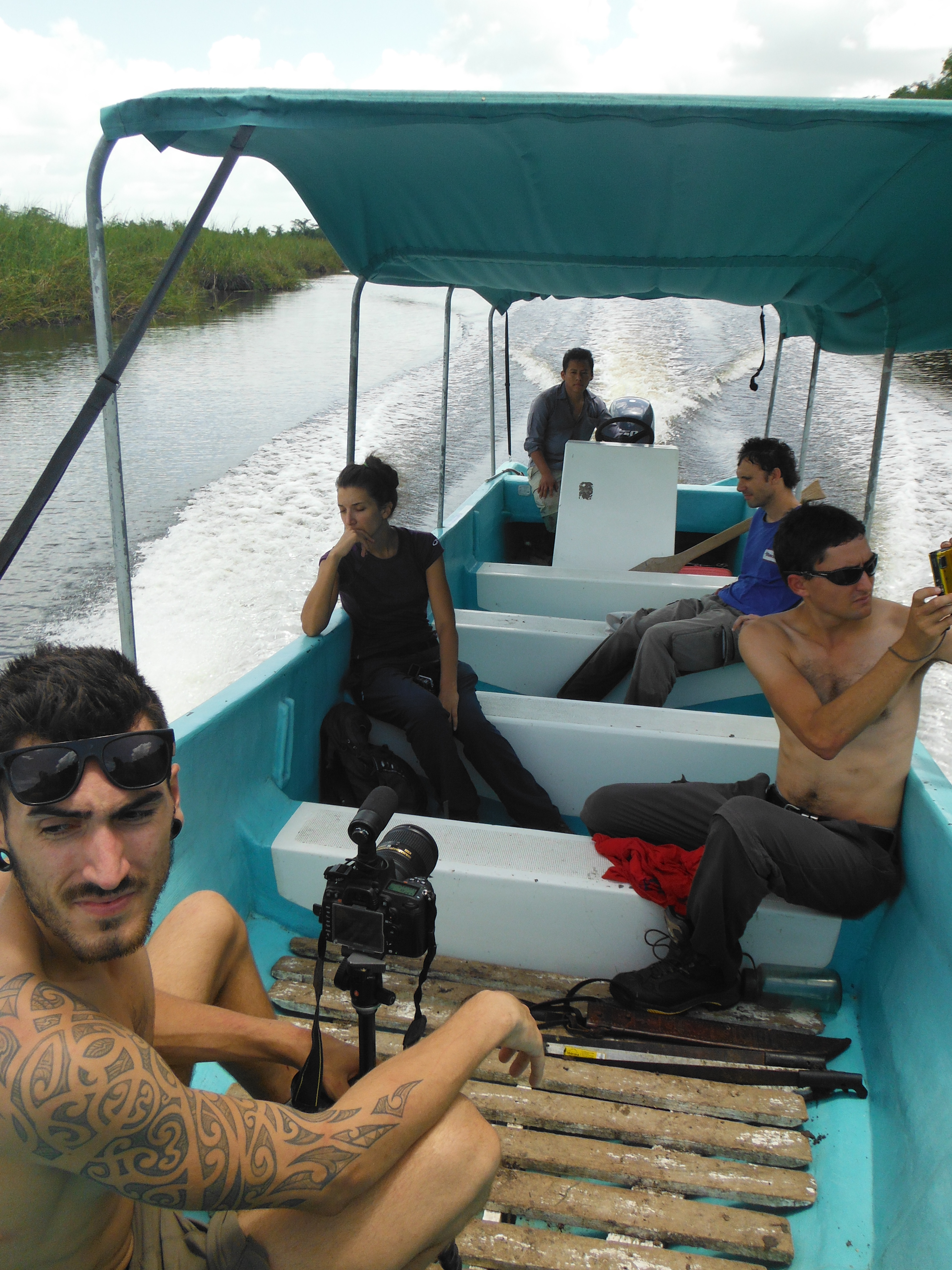
We were joined on the expedition by Barbara and Julian from Conserv-Action, who were making documentarys on various conservation projects in Central America for French television. This made for lots of fun with cameras strapped to our heads running through the jungle chasing snakes! Made for very interesting footage though and I’m looking forward to seeing the finished product. The guys are continuing their travels through the rest of Central America until September and you can follow their updates online on their website.film crew on boat

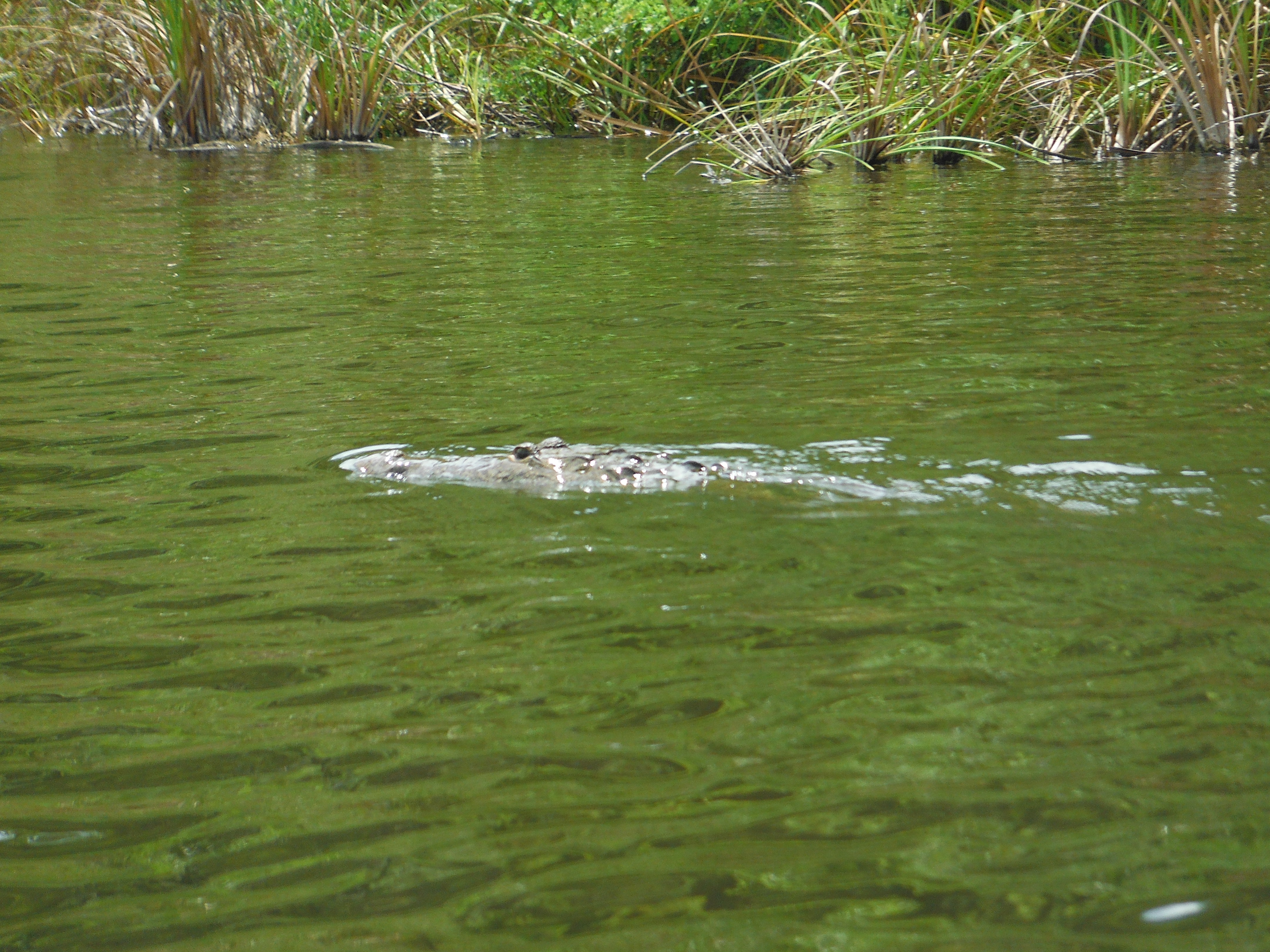
Before the expedition ended, we were joined by some senior members of CONAP. This is the Guatemalan equivalent to Ireland’s Parks and Wildlife Service. After a very positive meeting between CONAP, Rowland from Project Chicchan, the management of the Biological Station, the guys from Conserv-Action, and myself, we have made a constructive, long-term relationship between Reptile Village Zoo, CONAP and Project Chicchan. Morletts croc

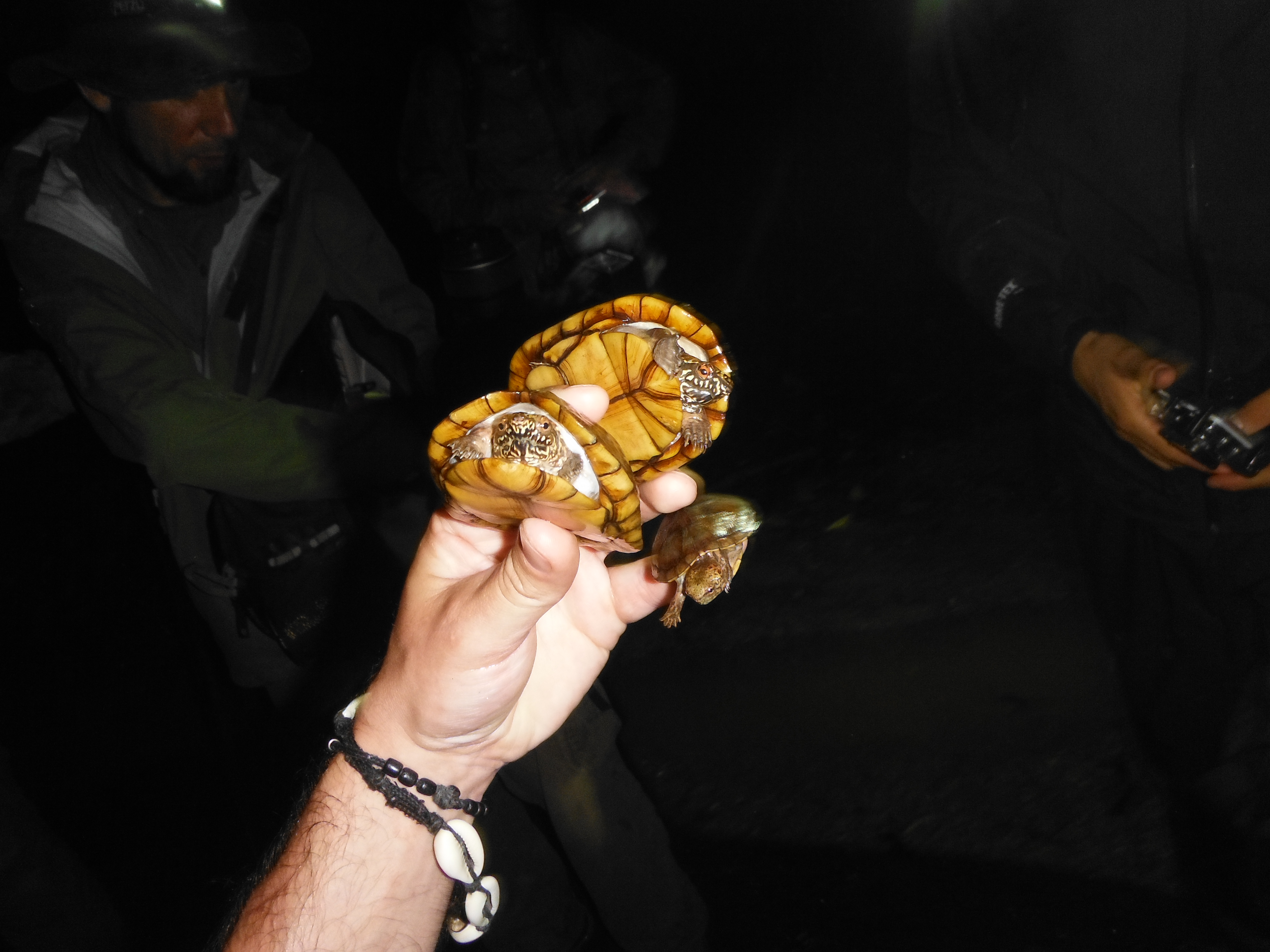
As well as helping to back Project Chiccan through the supply of equipment and volunteers, we shall also be training local educators to conduct outreach programs, similar to our “Zoo to You” program so they can travel to Guatemalan schools and teach children the difference between harmless and more dangerous snakes, how to deal with them, and how important they are to their ecosystem. We’ll also be producing an identification poster which will be distributed to schools and public buildings in a bid to help the locals better understand the animals which they have to live along side.DSCF0107

It’s busy times ahead for us! If you’d like to get involved, either as a volunteer to help with the surveying in the field, or to help with some of the organisational end of things here in the zoo, just get in contact!

James

Project Chicchan Guatemala

So as some of you may know, our Zoo Director, James Hennessy, travels abroad as much as he can to take part in research expeditions.

His past adventures have included carrying out King Cobra research in India and studying Anacondas in Venezuela to name but a few (we admit it, we’re jealous too)!

This year he chose to travel to Guatemala for almost 3 weeks of research and trekking through the jungle, here is his first report from Project Chicchan Guatemala!

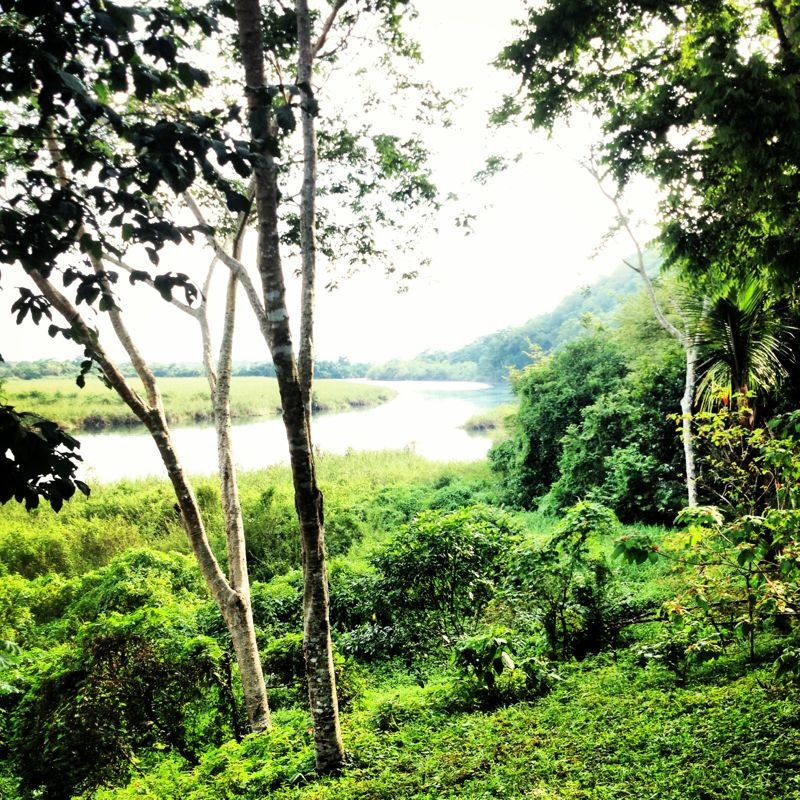
Guatemala View

Ok so this is the first report from the field here in Guatemala on Project Chicchan. A little background info first though. Reptile Village Zoo have teamed up with Project Chicchan to offer support to the herpetofauna survey of Laguna del Tigre National Park in Guatemala, where at the moment, we’re trying to find suitable survey sites to set up a long term survey of the reptiles and amphibians of the area, about which, very little is known. The area is incredibly rich in biodiversity and habitat types.

The biological research station, Las Guacamayas, is our base camp here for the expedition. Life is pretty good here with running water and electricity a lot of the time. A luxury compared to the stations I’m normally used to! From here we conduct both day and night surveys, heading into the jungle catching snakes, lizards, turtles and frogs. All the animals except the snakes are processed in the field. We take details like size, weight and sex of the animal, along with some details like the temperature. where it was basking etc.

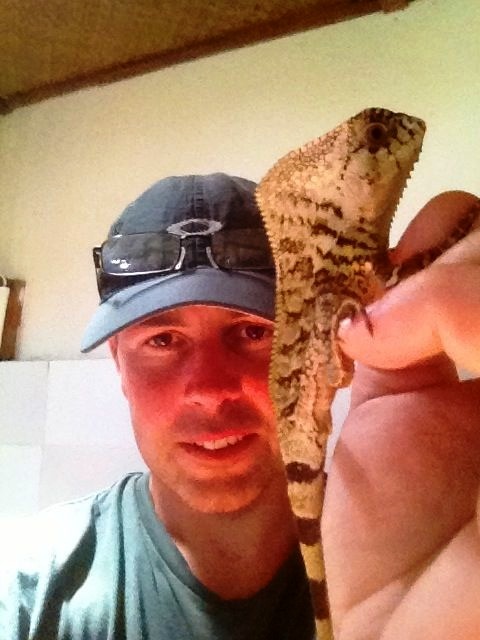
James Guatemala lizard

We bring the snakes back to the station to process for both convenience and safety reasons. A large percentage of the snakes here are venomous so it’s much safer to process them in a controlled environment.

It’s been a really successful expedition so far and we’ve been catching species such as the Central American Lance Head Viper (Bothrops asper), Helmeted Iguanas (Corytophanes cristatus), Neotropical Wood Turtles (Rhinoclemmys annulata) and Marine toads (Bufo marinus).

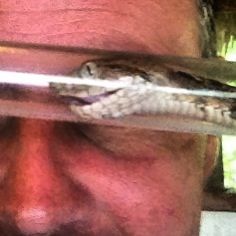
James Snake Tube Guatemala

We’ve also found a species of Mexican snake-eating snakes (Clelia scytalina) which hasn’t been recorded before in this area, and not to mention the species of coral snake (Micrurus sp.) which we found last night that we still haven’t identified! So it’s turning out to be a very exciting place as regards species!

Most of our main surveying takes place at night, which is when it’s cool enough for most of the species to become most active. Day time temperatures get up to the mid thirties with the humidity reaching 100%. In the mornings we process the animals from the night before, before the day gets too hot. I tend to spend most of the hotter parts of the day in a kayak on the river checking out the local population of Morelet’s Crocodiles (Crocodylus moreletii).

That’s all for now. I’ll hopefully have another update next week if I can piggyback along on one of the locals wifi again! I’ll also have some better pictures when I return. Time to head back into the jungle again now though but first, I’ve to remove an over friendly parasitic tick from my upset thigh…!

James

We know the hardest part of the whole experience for James is having little to no phone service and internet access so he can’t update his Facebook profile!!

Hopefully we will have another report before he returns to Ireland next week!